
July 26, 2025
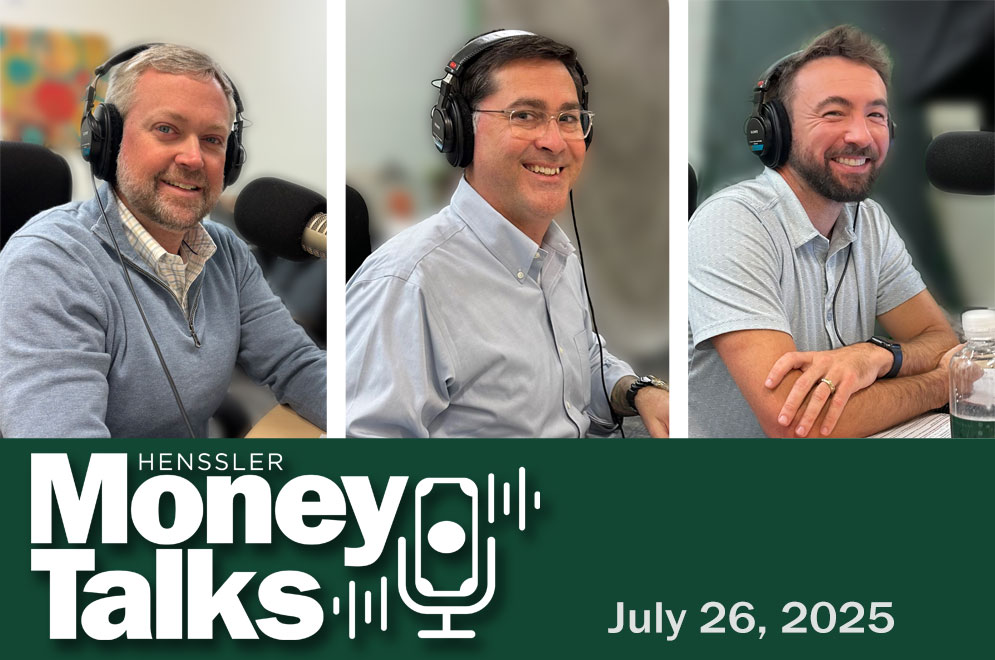
What is the Fed, and why does Jerome Powell seem to have Wall Street on speed dial? This week, we unpack the power and purpose of the Federal Reserve—who runs it, who appoints them, and how their decisions ripple through everything from Treasury bonds to your credit card APR. We break down the rates the Fed actually controls (spoiler: it’s not all of them) and why those moves matter. Plus, if the Fed is supposed to be independent, why does it feel like politics—especially Trump’s calls for lower rates—are always lurking in the background?
Next, we ask, “Is the upper middle class having an identity crisis?” We dig into the surprising squeeze on America’s “comfortably wealthy.” From overcrowded Amex lounges to bidding wars for average homes, we explore how rising wealth—especially among the top 10%—is making luxury feel less exclusive. We explore what it means for expectations around lifestyle and status, and how the wealth ladder is getting more crowded at the top.
In Part 1 of our series on the evolution of payments, we dive into the rise of credit cards and how they reshaped the way we spend. We explore the move toward a cashless society—fueled by digital wallets and tap-to-pay tech—but also spotlight the pushback: small businesses are passing credit card fees onto customers, and even some places going cash-only. So where are we really headed? Is cash dying, or just evolving?
Join hosts Nick Antonucci, CVA, CEPA, Director of Research, and Managing Associates K.C. Smith, CFP®, CEPA, and D.J. Barker, CWS®, and Kelly-Lynne Scalice, a seasoned communicator and host, on Henssler Money Talks as they explore key financial strategies to help investors navigate market uncertainty.

Timestamps and Chapters
- 8:27: Third of the Way Through Earnings Season
- 19:58: The Fed’s Big Influence
- 32:00: Too Many Millionaires, Not Enough Pool Chairs
- 54:12: From Cash to Tap: How Credit Cards Changed Everything